


ICBC Injury Recovery in Burnaby and the Benefits of Physiotherapy
Car-related accidents, regardless of severity, can leave lasting impacts on the body that may become more troublesome over time. From whiplash and muscle strains to more serious injuries like fractures, car accidents often require a comprehensive approach to recovery and healing, focusing on retaining and regaining physical health. Physiotherapy is widely regarded as a beneficial tool for rehabilitation, as it aids in the relief of discomfort, restoration of mobility, and overall support of recovery (New Hope Physiotherapy, n.d.). This blog explores how physiotherapy assists in ICBC injury recovery, focusing on symptom management, improving function, and injury prevention.
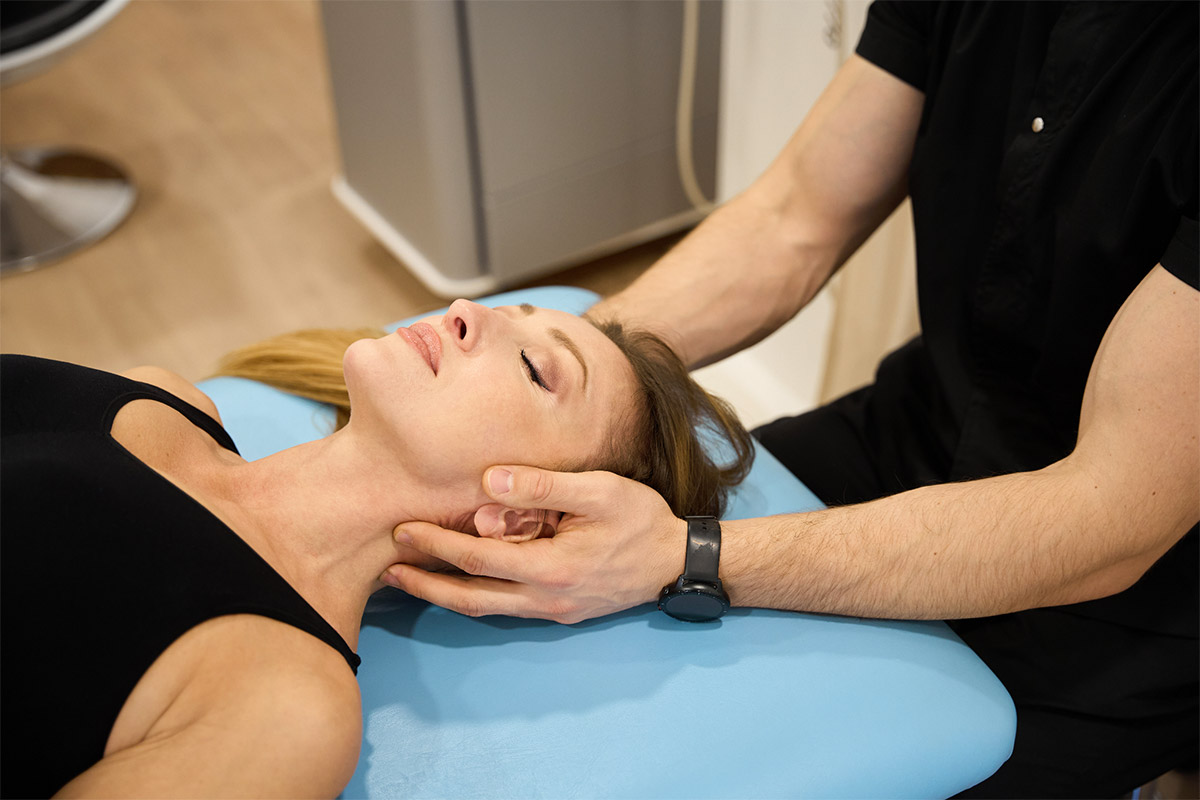
Symptom Management
One of the immediate concerns following a car accident is discomfort, which can range from mild to severe and even debilitating symptoms. ICBC injury recovery in Burnaby through physiotherapy provides multiple techniques to address various levels of severity, including manual therapy, heat and cold treatments, and therapeutic exercises. Studies have shown that physiotherapy can reduce discomfort and improve quality of life for individuals recovering from injuries like whiplash, commonly seen in car accidents (New Hope Physiotherapy, n.d.). By applying techniques tailored to each patient’s needs, physiotherapists can help minimize discomfort without heavy reliance on medications, offering an alternative for those seeking relief without pharmacological fixes.
Functional Restoration
After an accident, patients often experience reduced mobility and strength, which can significantly hinder day-to-day activities. Additionally, the mental aspect of dealing with a loss of function can be frustrating, further highlighting the benefits of timely treatment. ICBC injury recovery in Burnaby aims to restore function by targeting specific muscles, joints, and connective tissues affected in car accidents. A structured and tailored program involving exercises and stretches gradually helps rebuild strength and mobility. In cases of severe injury, physiotherapists work closely with patients to develop an individualized strategy that adapts to their recovery progress, supporting the return to independence in daily activities. Research indicates the effectiveness of physiotherapy in enhancing the range of motion and functionality of the injured area (BMJ Open, 2011).
Injury Prevention
Physiotherapy is not only about recovery but also about promoting injury prevention. After an accident, individuals may be at a heightened risk of reinjury due to residual issues or imbalances from the original injury. ICBC injury recovery in Burnaby focuses on identifying and addressing these imbalances through corrective exercises, muscle strengthening, ergonomic adjustments, and other methods. Research suggests that individuals who receive physiotherapy after an accident may experience fewer recurring injuries and benefit from a more consistent recovery trajectory (New Hope Physiotherapy, n.d.). This preventive approach can help individuals avoid chronic discomfort and maintain their long-term health and wellness. As such, ICBC injury recovery in Burnaby is about supporting both recovery and sustainable health.
Moving Forward with ICBC Injury Recovery in Burnaby
Physiotherapy for ICBC injury recovery in Burnaby plays a vital role in the journey to recovery for individuals injured in motor vehicle accidents. With a focus on symptom management, functional restoration, and injury prevention, physiotherapy provides a comprehensive approach to recovery that can support individuals in rebuilding physical health while also contributing to mental well-being by promoting sustainable wellness practices. Research highlights that patients who engage in physiotherapy following car accidents often experience positive outcomes, including reduced discomfort, improved function, and a decreased risk of reinjury. Consulting with a qualified physiotherapist at Strive Brentwood can provide valuable support throughout the recovery process.
Learn more about how ICBC injury recovery in Burnaby can support your journey today!
References
- BMJ Open. (2011). Effectiveness of physical therapy interventions for patients with motor vehicle accidents. BMJ Open, 1(2), e000265.
- New Hope Physiotherapy. (n.d.). Healing after a car accident: The key benefits of physiotherapy treatment.