


Post-Surgery Physiotherapy: How It Supports Your Return to Sport
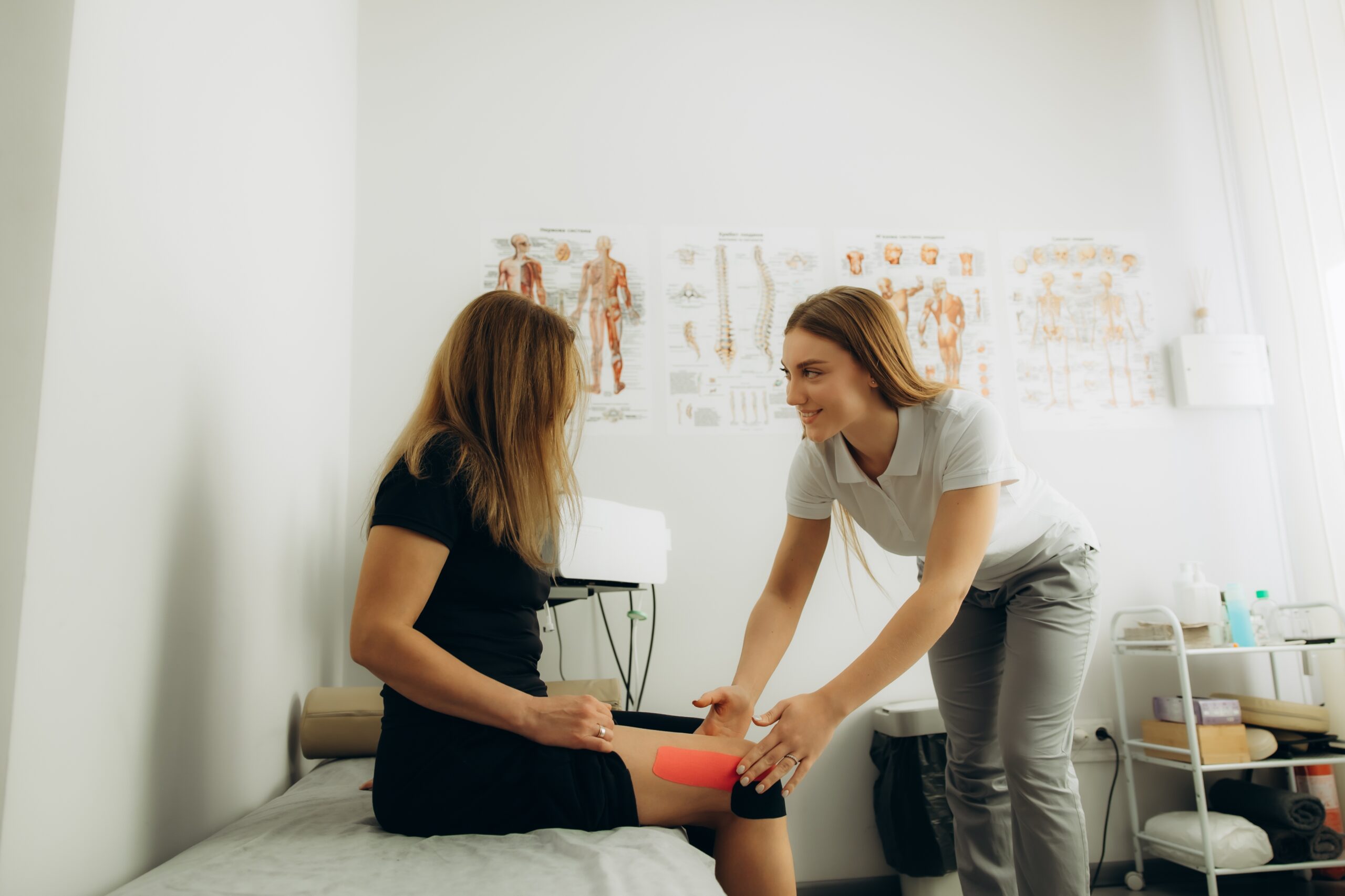
You’ve had your surgery, and now you’re ready to focus on recovery. If you enjoy staying active, one of your biggest questions is probably: When can I get back to my favourite sport?
Whether you’re recovering from ACL reconstruction, shoulder surgery or a knee procedure, getting back to your usual activities takes time and the right rehabilitation plan.
Post-surgery physiotherapy can help you rebuild strength, restore movement and gradually return to the activities you enjoy. Let’s look at what recovery involves and how physiotherapy can support you along the way.
Why Post-Surgery Physiotherapy Matters
Surgery may address the underlying injury, but your body still needs time to heal and regain strength.
After surgery, it’s common to experience:
Swelling and discomfort around the surgical area
Stiffness or reduced range of motion
Muscle weakness from reduced activity
Difficulty with everyday movements
According to the Physiotherapy Association of British Columbia, physiotherapists use their knowledge of anatomy, movement and rehabilitation to help people recover from injuries and improve physical function.[1]
Post-operative physiotherapy focuses on helping you regain movement, rebuild strength and safely return to your regular activities.
Your physiotherapist will also follow your surgeon’s recovery guidelines, including any restrictions on movement, weight-bearing or exercise.
3 Stages of Post - Operative Rehabilition
Every recovery is different, but most post-surgical rehabilitation programs follow three general stages.
Stage 1: Protecting the Area and Restoring Movement
During the first few weeks, your body is focused on healing. Physiotherapy typically begins with gentle movements and exercises that respect your surgeon’s recommendations.
Treatment may focus on:
Managing pain and swelling
Protecting the surgical area
Gradually improving range of motion
Activating muscles that have become weaker
For example, someone recovering from knee surgery may begin with gentle quadriceps exercises, while someone recovering from shoulder surgery may start with supported arm movements.
The goal is to encourage safe movement without placing unnecessary stress on healing tissues.
Stage 2: Rebuilding Strength and Stability
As healing progresses, your rehabilitation program will gradually become more active.
Muscles can weaken after surgery, particularly if you’ve spent time wearing a brace or sling or limiting your activity.
During this stage, your physiotherapist may introduce:
Strengthening exercises using weights or resistance bands
Balance and coordination training
Exercises to improve joint stability
Functional movements such as squatting, stepping or reaching
Your exercise program will progress as your strength and mobility improve.
Staying consistent with your home exercises is especially important during this stage.
Stage 3: Preparing to Return to Sport
Feeling better doesn’t always mean your body is ready for the demands of your favourite sport.
The final stage of rehabilitation focuses on preparing you for movements specific to your activity.
Depending on your sport, this may include:
Running: Gradually increasing speed, distance and endurance
Basketball or volleyball: Practising jumping, landing and changing direction
Hockey: Rebuilding skating strength, balance and agility
Baseball or tennis: Restoring shoulder strength and controlled throwing or swinging movements
Your physiotherapist will assess your strength, mobility, movement control and confidence before recommending a return to sport.
Rather than focusing on a specific date, the goal is to make sure your body is ready for the demands of your activity. Your surgeon may also need to provide clearance.
5 Tips for a Smoother Recovery
Recovering from surgery requires patience, but there are several things you can do to support your progress between appointments.
Follow your home exercise program. Regular movement and strengthening exercises help you build on the progress made during treatment.
Listen to your body. Let your physiotherapist know if you experience increasing pain, swelling or unusual discomfort.
Prioritize rest and nutrition. Getting enough sleep and eating balanced meals supports your body’s healing process.
Celebrate small improvements. Whether it’s walking comfortably, bending your knee further or completing your first pain-free jog, every milestone matters.
Be patient with your progress. Recovery isn’t always a straight line. Some days may feel easier than others, and that’s okay.
If you’re recovering from a shoulder injury, check out our guide to rotator cuff injuries and recovery for more information.
What Does Post-Surgery Rehabilitation at Strive Look Like?
At Strive Health & Performance, your rehabilitation starts with understanding your surgery, recovery goals and current abilities. During your initial appointment, your physiotherapist will review your medical history and surgical guidelines before assessing your strength, mobility and movement.
From there, they’ll develop a personalized treatment plan to help you progress at a pace that’s appropriate for your recovery.
Our multidisciplinary team can also provide additional support throughout your rehabilitation:
Physiotherapy: Helps restore mobility, improve strength and guide your recovery through personalized exercises, hands-on treatment and education.
Kinesiology: Focuses on rebuilding strength, stability and physical conditioning through structured exercise programs.
Massage therapy: May help ease muscle tension and improve comfort as you become more active.
Custom knee bracing: May provide additional support and stability following certain knee procedures when recommended by your care team.
Whether your goal is to get back to running, playing hockey or enjoying an active lifestyle, we’ll help you work toward it.

Frequently Asked Questions About Post - Surgery Physiotherapy
When should I start physiotherapy after surgery?
It depends on your procedure and your surgeon’s instructions. Some people can begin physiotherapy within days, while others need more time to heal before starting certain exercises.
Your physiotherapist can help determine an appropriate plan based on your surgical guidelines.
How long does it take to return to sport after surgery?
Recovery timelines vary depending on your surgery, the type of sport you play and your progress during rehabilitation.
Some procedures require several months of recovery. Your physiotherapist will assess your readiness based on your strength, mobility and ability to perform sport-specific movements.
Can I do post-operative rehabilitation exercises at home?
Absolutely! Home exercises are an important part of most rehabilitation programs. Your physiotherapist will show you which exercises are appropriate for your recovery and how to perform them safely.
Do I need a referral for physiotherapy after surgery in BC?
No, you don’t need a doctor’s referral to book physiotherapy in British Columbia. However, some extended health insurance plans may require one for reimbursement.
Is post-surgery physiotherapy covered by insurance?
Many extended health insurance plans include physiotherapy coverage.
Strive also offers direct billing to make submitting eligible claims easier. We recommend checking with your insurance provider to confirm your coverage.
Get Back to Doing What You Love
Recovering from surgery is about more than healing. It’s about rebuilding your strength, restoring your confidence and getting back to the activities that matter to you. At Strive Health & Performance, our team in Coquitlam, Brentwood and Port Moody is here to support you through every stage of your rehabilitation.

Dr. Aaron Binstock, Chiropractor (DC, ART®)
Dr. Binstock is an Active Release Technique provider who focuses on finding the root cause of pain, combining muscle release, adjustments, and strengthening exercises, with a particular interest in foot and ankle issues and headaches.