



Hip Flexor Strain in Active Adults: Why a Chiropractor Should Be Your First Call
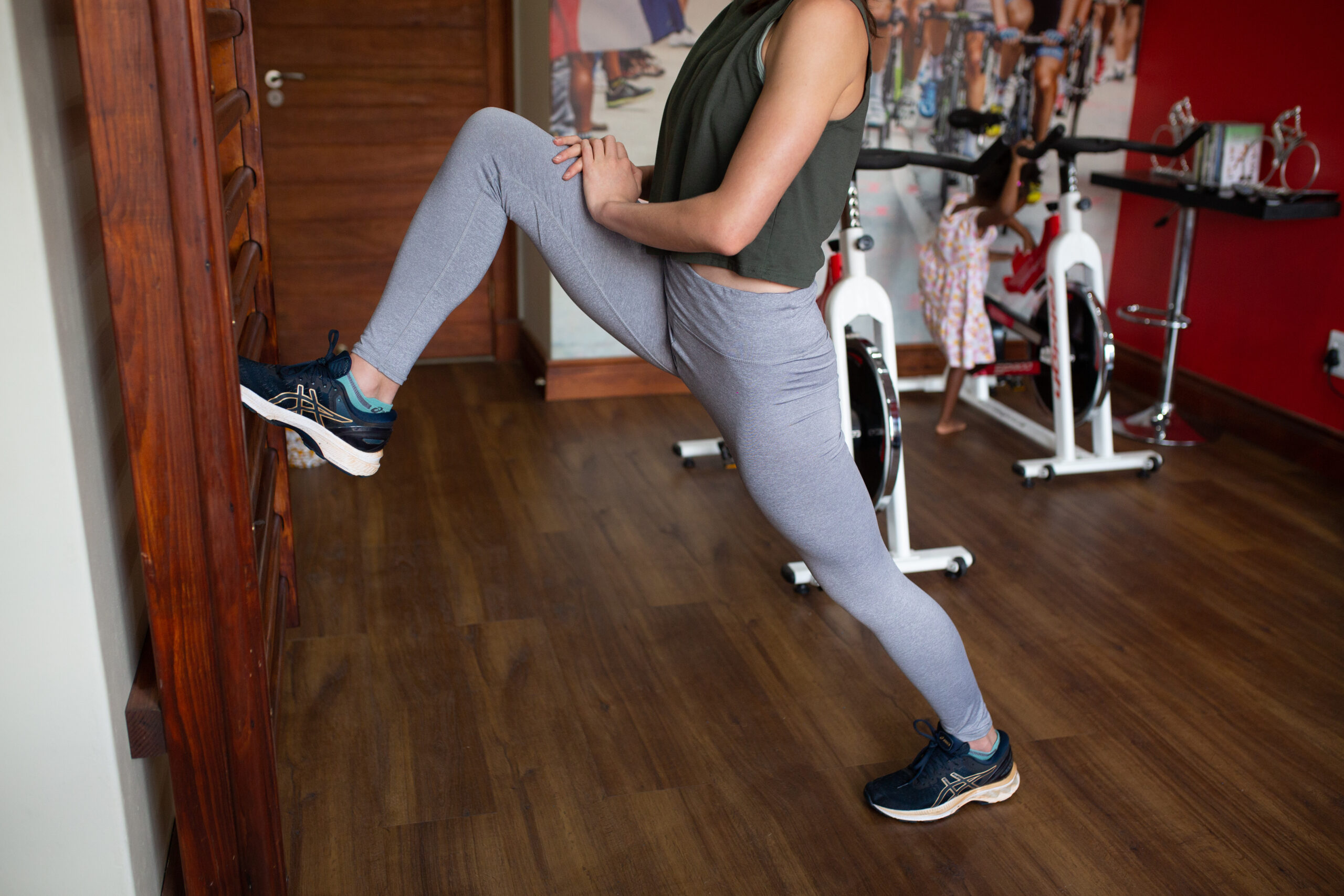
You push through the last stretch of a run, change direction on the pitch, or reach too far into a lunge, and suddenly feel a sharp pull in the front of your hip. If that sounds familiar, you may have a hip flexor strain, a common summer sports injury we see across our British Columbia clinics. Runners, soccer players, and weekend warriors are especially prone to it. The good news? Most strains respond well to the right care, and a chiropractor can often be a great first step.
What Is a Hip Flexor Strain?
Your hip flexors are a group of muscles at the front of your hip that help lift your knee, move your leg, and stabilize your pelvis as you walk, run, jump, and change direction. A hip flexor strain occurs when one or more of these muscles are overstretched or injured. The iliopsoas is one of the key muscles involved and can be affected by repetitive or sudden movements. For runners and other active adults, hip pain can sometimes develop gradually rather than from one obvious moment of injury.
Some of the most common causes include:
- Sprinting or accelerating quickly
- Kicking during sports
- Sudden changes in direction
- Lunging or jumping
- Increasing training volume or intensity too quickly
- Returning to exercise after a break
- Muscle weakness or movement imbalances
Why a Sports Chiropractor Should Be Your First Call
At Strive Health and Performance, our chiropractors look at more than just the painful area. We assess how your hips, pelvis, lower back, and surrounding muscles are working together. When you’re dealing with hip pain, it can be tempting to simply rest and hope it goes away. While modifying activity is often an important part of recovery, understanding why the injury happened can help you make a more complete recovery. This can help identify movement patterns, mobility restrictions, or areas of tension that may be contributing to your symptoms.
Our goal is not simply to help you feel better temporarily. We want to help you understand your injury and give you practical strategies to move forward. Depending on your assessment, chiropractic treatment may include hands-on techniques such as:
- Chiropractic adjustments
- Soft tissue therapy
- Active Release Technique
- Mobility and movement recommendations
- Guidance on modifying activity while you recover
What Hip Flexor Injury Recovery Looks Like
Every injury is different, so recovery time depends on factors such as the severity of the strain, your activity level, and how your body responds to treatment. A mild strain may improve within a few weeks, while a more significant injury can take longer. One of the most important parts of recovery is avoiding the cycle of feeling better, returning to full activity too quickly, and aggravating the injury again.
Once your pain has settled, gradually rebuilding strength and movement is key. This is where active rehabilitation can be especially helpful. Working with a kinesiologist through a guided active rehabilitation program can help you rebuild strength, improve mobility, address movement patterns, and gradually increase your activity level. Rather than going from injured to fully active overnight, a progressive approach allows your body to adapt as you return to running, sport, workouts, and everyday activities.
Frequently Asked Questions About Hip Flexor Strain
What does a hip flexor strain feel like?
Most people describe a sharp pull or pinch at the front of the hip or groin, followed by aching, tightness, and pain when lifting the knee, climbing stairs, or taking a long stride. Mild swelling or tenderness can also occur near the injury site.
Can a chiropractor help with hip flexor pain?
Yes. A chiropractor can assess the hip, pelvis, and surrounding joints, use hands-on techniques to help reduce tension, and provide guidance on movement and loading to support recovery. Learn more about our approach to chiropractic care.
How long does hip flexor injury recovery take?
Recovery time depends on the grade of the strain, but many active adults see improvement within two to six weeks with consistent care and a gradual return to activity.
Should I see a chiropractor or physiotherapist for hip pain from running?
What causes hip flexor strains in active adults?
Don’t Let Hip Pain Hold You Back
Whether you’re dealing with a hip flexor strain or lingering stiffness, book your appointment today with Strive Health and get back to feeling like yourself.